Supreme Court Ruling Challenges Temporary Protected Status for Haitians and Syrians: Implications and Reactions
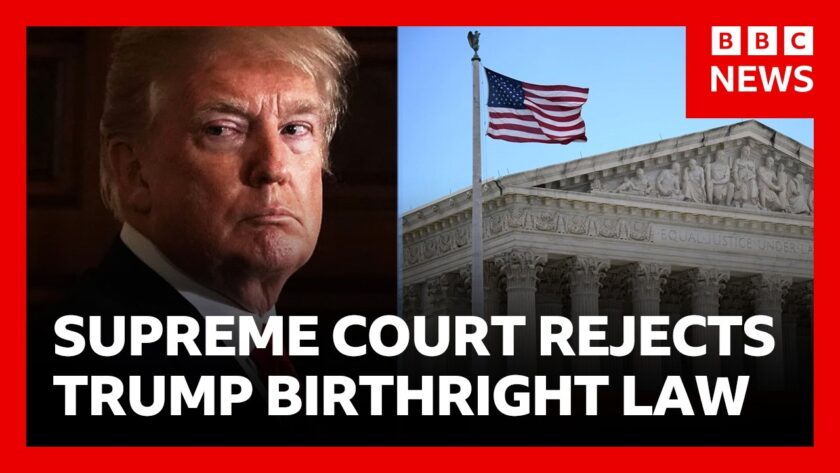
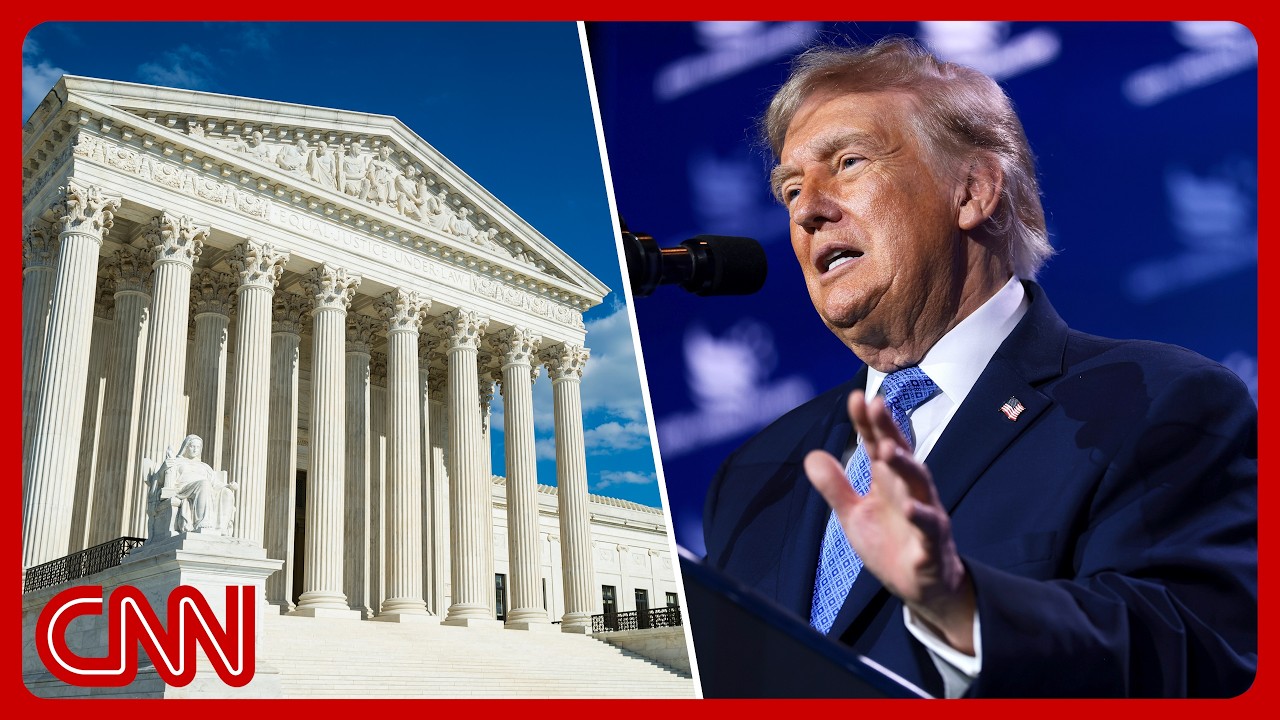
The recent decision by the U.S. Supreme Court to allow the Trump administration to end Temporary Protected Status (TPS) for Haitian and Syrian nationals has sparked profound concern among immigrant communities, particularly in South Florida. Temporarily permitting individuals from countries torn apart by conflict or natural disasters to reside in the U.S., TPS has provided a lifeline for over a quarter of a million Haitians since its inception post-2010 earthquake. This ruling not only affects those individuals directly but could also set a precedent impacting TPS holders from at least 11 additional countries.
The decision, rendered by a narrow 6-3 majority, has drawn sharp criticism for its perceived insensitivity to the dire conditions in Haiti, which remains under a Level 4 travel advisory from the State Department. Advocates argue that forcing deportations back to a gang-riddled country constitutes a death sentence. This crisis was poignantly highlighted during a protest at Miami City Hall, where members of the Haitian community gathered to voice their distress over impending deportations.
In a world where many have made significant contributions to American society, including filling roles as doctors and engineers, their potential forced removal raises critical questions about fairness and responsibility. Florida Governor Mike DeWine expressed his dissent, warning that enforcing such deportations would disregard the integral roles these individuals play in both their communities and the wider economy. He emphasized that these Haitians are often part of a nuanced fabric, contributing actively while maintaining economic stability.
Opponents of the ruling are particularly frustrated with the notion of returning Haitians to a country that has struggled to recover from decades of political turmoil and natural disasters. The argument centers on a fundamental question: When exactly will conditions in Haiti improve to a point deemed "livable" by U.S. standards? Advocacy groups argue that indefinite postponements of secure living conditions for these immigrants betray both humanitarian principles and legal obligations.
The legal framework for TPS offers some leeway based on the evolving crises in recipient countries, yet it appears that these nuances were overshadowed by the political climate leading to the court’s ruling. Immigration policy remains a contentious issue, often splintering across party lines. While some lawmakers reminisce about a time when bipartisan agreements regarding immigration seemed plausible, the current administration’s stance reflects a shift towards more restrictive policies.
One prominent aspect of the ongoing discourse is the dynamic nature of racism in immigration policy. Critics contend that racial biases subtly inform contemporary policy decisions, citing the stark contrast in treatment between Haitian immigrants and those from other nations. This point heightened in discussions surrounding the racial undertones of President Trump’s past comments about Haiti and its people, prompting valid concerns about the discourse surrounding TPS removals being influenced by racial biases.
The decision is emblematic of a broader ideological shift that has characterized U.S. immigration policy in recent years. The backlash against TPS for Haitians comes at a time when immigrants are increasingly framed negatively in public dialogue, often reducing complex narratives to stereotypes. Data consistently shows that immigrants tend to commit fewer crimes than native-born citizens, contradicting some of the fears articulated by naysayers of TPS.
Ultimately, this Supreme Court ruling underscores deeper societal issues that intertwine with notions of belonging and the American ideal. By contemplating the fates of these individuals and the communities to which they contribute, America is confronted with uncomfortable truths about its commitments to humanitarian principles and inclusivity.
In a nation built on the foundations of diversity and the welcome of the oppressed, the implications of this ruling extend far beyond legal frameworks; they resonate deeply within the hearts of those who fought for a place they hoped to call home. As advocates regroup, resolute in their fight against the impending deportations, the battle for a more humane immigration policy seems far from over.